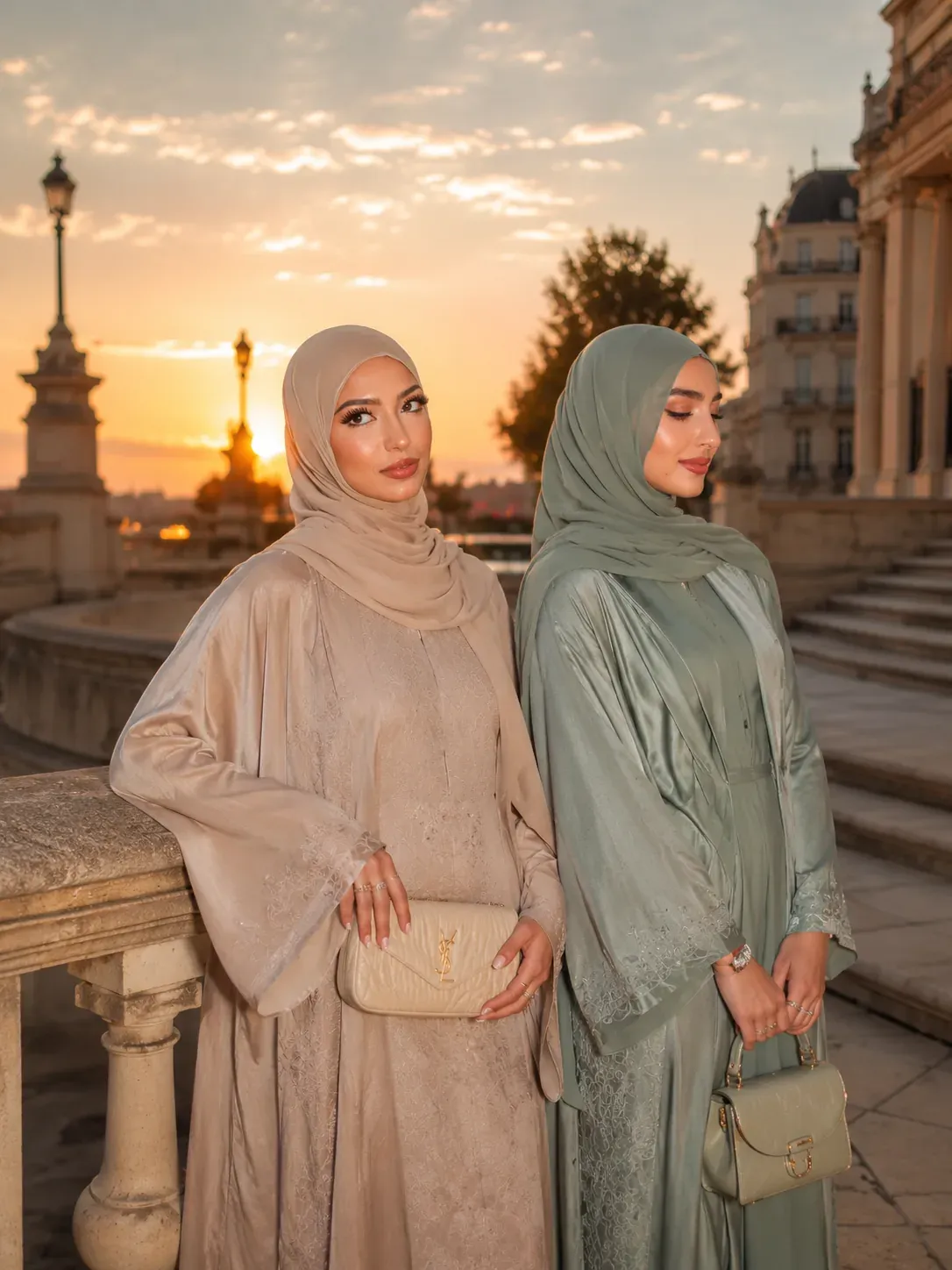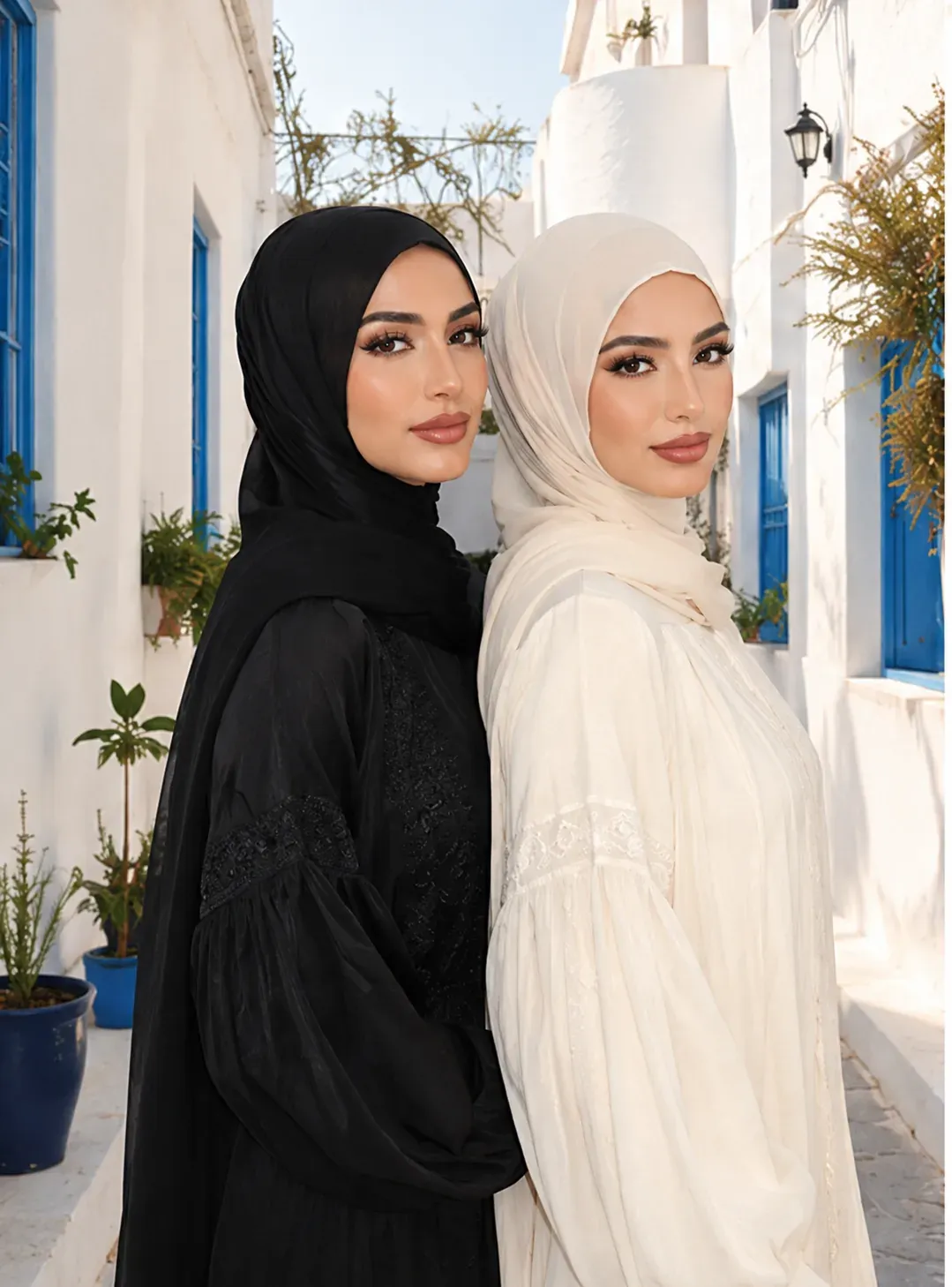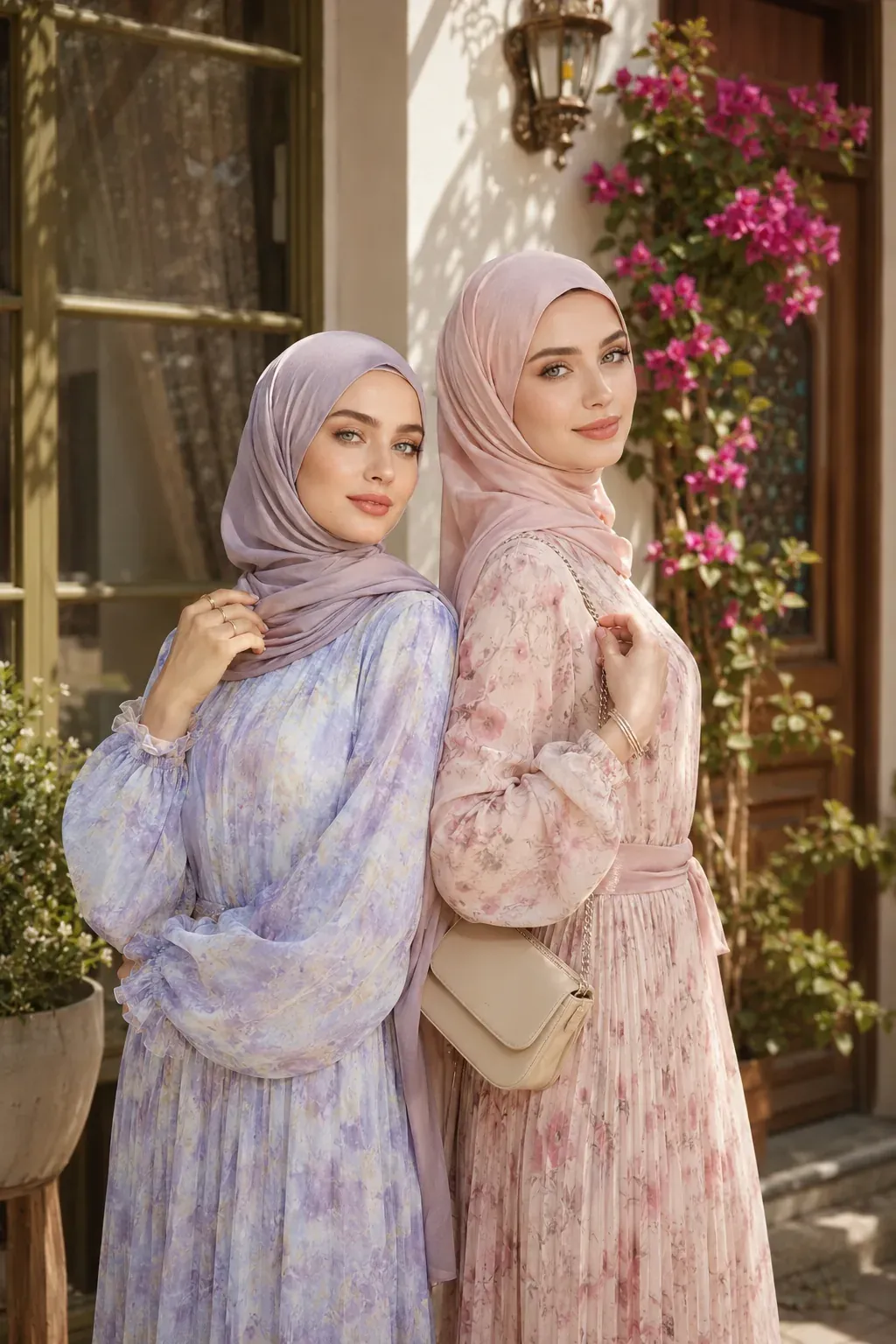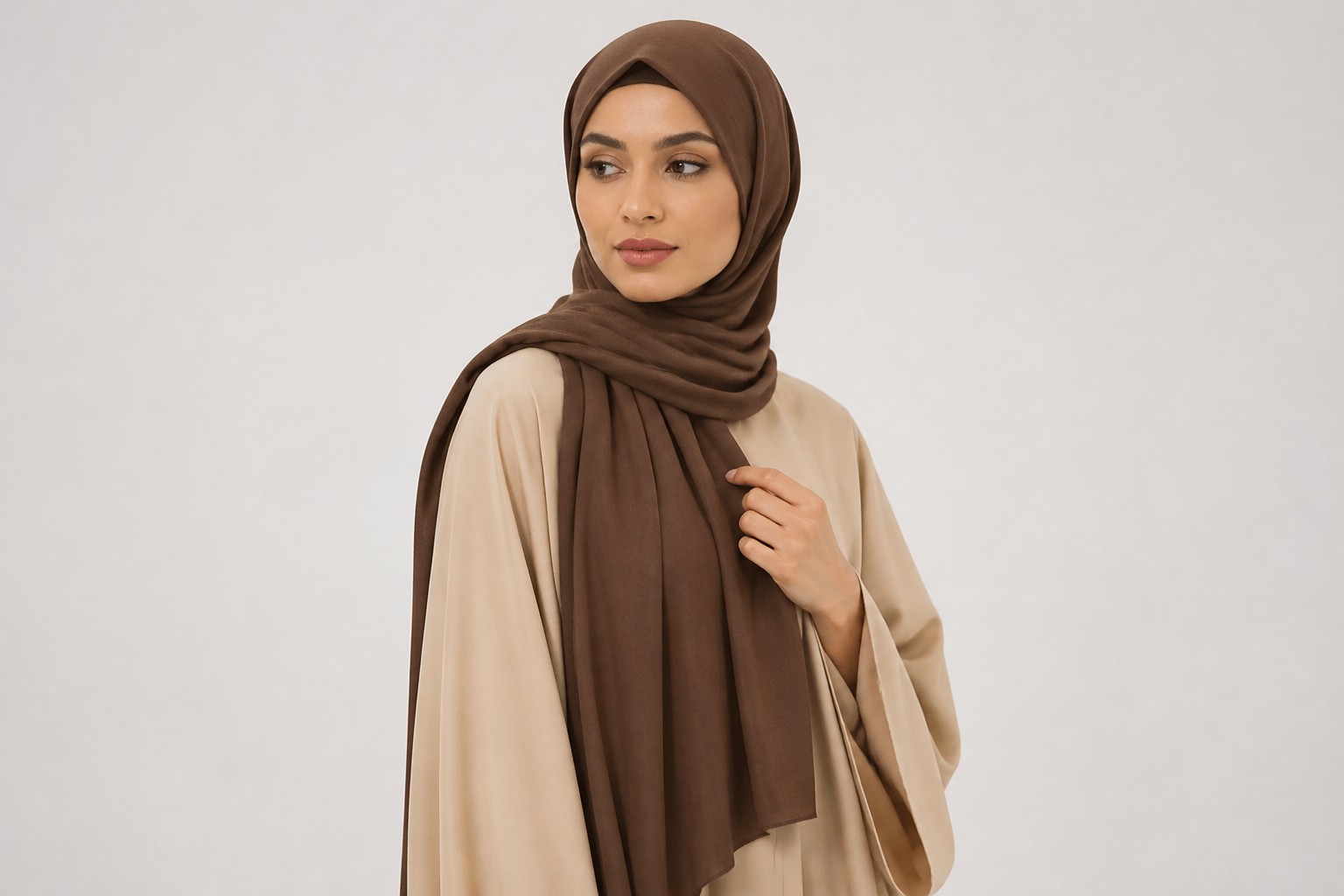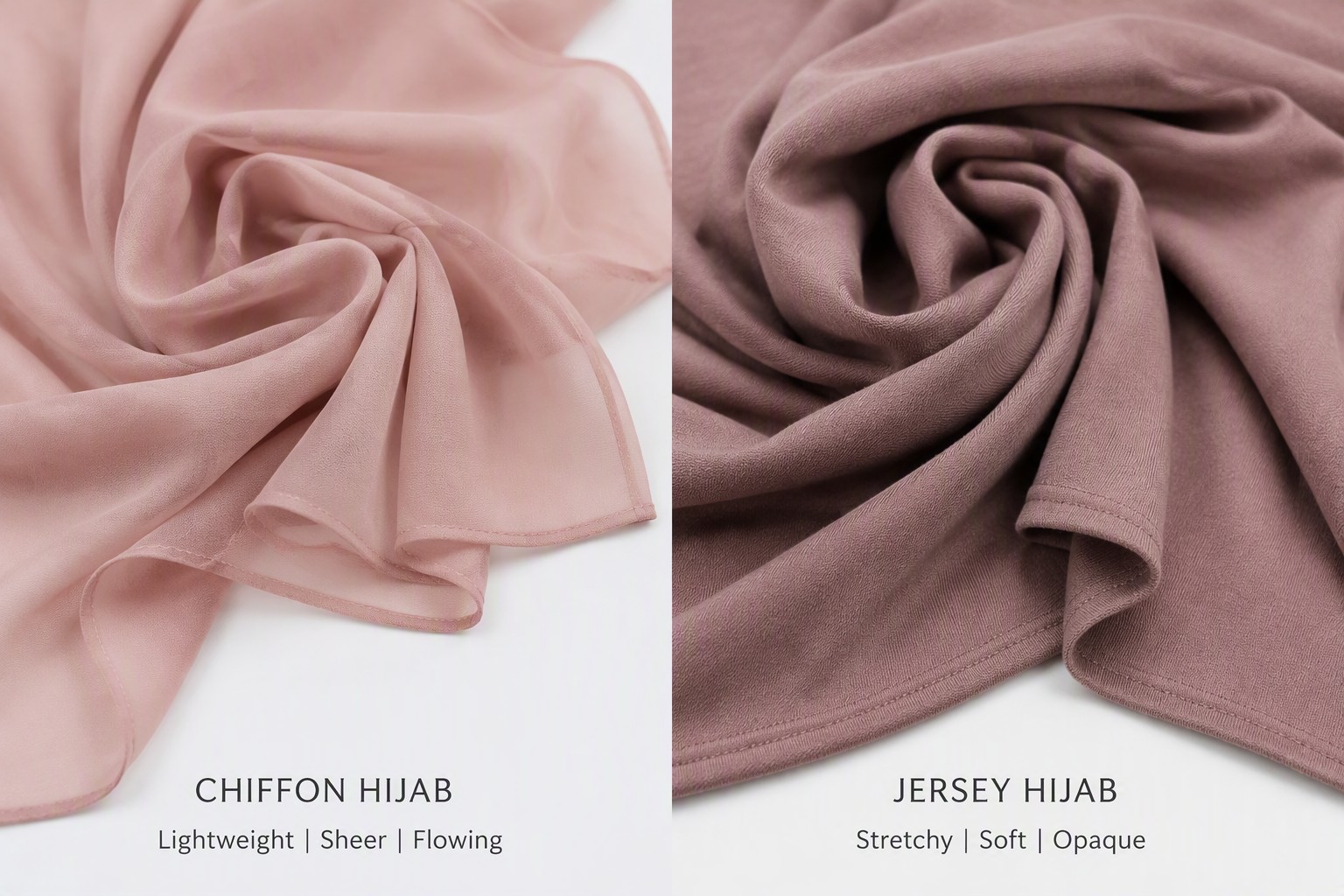
Quick Summary
Sourcing high-performance jersey headscarves requires moving beyond generic wholesale listings to partner directly with a specialized jersey hijab factory. This guide breaks down the critical engineering parameters that separate luxury modal and cotton jersey hijabs from cheap market stock, focusing on 32-gauge circular knitting, 4-way stretch recovery thresholds (≥96%), and strict dimensional shrinkage standards (≤2.5%). Our manufacturing facility backs production with transparent operational metrics, including 18,000-meter daily capacity and full lot-traceable digital quality audit certificates for every commercial dye lot. Discover how requesting comprehensive sample swatch kits and pre-production wear data protects brand margins and drives customer repeat purchases.
The Engine of Daily Modest Wear: Why the Right Jersey Hijab Factory Dictates Brand Longevity
In modern modest fashion commerce, few products enjoy the staggering customer loyalty and recurring re-order velocity of the everyday jersey hijab. While lightweight woven chiffon and printed silk scarves capture editorial attention during wedding and Eid capsules, it is the humble jersey scarf that consumers reach for seven days a week. It serves as the daily workhorse of the modest wardrobe: effortless to style without pins, non-slip during long office shifts, breathable during high-intensity gym sessions, and gentle against sensitive skin.
Yet beneath its apparent simplicity lies one of the most technically demanding manufacturing challenges in textile apparel. Knitted fabrics are living, dynamic structures. Unlike rigid woven textiles that maintain fixed geometric warp and weft grids, single-knit jersey is composed of interlocking yarn loops under constant mechanical tension. When sourced from unqualified middlemen or cut-and-sew workshops lacking textile engineering rigor, jersey hijabs become an operational nightmare: seams ripple uncontrollably, fabric corners curl into tight spirals after the first wash, and the neck opening stretches out into an unflattering, saggy cowl after just three wears.
For boutique owners, TikTok fashion retailers, and emerging D2C brand founders, establishing a direct manufacturing partnership with a specialized jersey hijab factory is the single most critical supply chain decision you will make. At our Yiwu manufacturing facility, our production experience allows brands to sidestep common textile failures, delivering buttery-soft, pin-free modal and cotton jersey headscarves that retain their sculpted recovery across dozens of commercial laundry cycles.
Part 1: The Buyer Problem -- Edge Curl, Spandex Fatigue, and Weight Inconsistencies
When buyers purchase pre-made open-market jersey scarves from commodity B2B trading portals, they frequently encounter three chronic structural defects that destroy customer reviews and trigger high return rates.
The first and most widespread defect is edge curl and seam warpage. Because single-knit jersey has asymmetric surface tension -- the face of the fabric consists of vertical knit wales while the back consists of horizontal loop courses -- raw cut edges naturally curl toward the front along the width and toward the back along the length. Inexperienced factories attempt to tame this curl by sewing rigid, overtight perimeter overlock seams using cheap non-stretch polyester thread. The result is a wavy, rippled "bacon hem" that puckers around the wearer’s face and shoulders, instantly signaling cheap, amateur construction.
The second failure mode is rapid elastane fatigue and "grin-through." Many budget suppliers achieve stretch by incorporating low-grade recycled spandex or failing to properly heat-set the yarn core during stenter finishing. Within a few weeks of wear and laundering, the delicate elastane filaments snap inside the yarn bundle, causing the fabric to lose its rebound elasticity. Even worse, dark-colored jersey (such as deep black, espresso, and midnight navy) begins to exhibit "grin-through," where white, shiny microscopic broken spandex fibers poke through to the surface, making a brand-new scarf look worn-out, faded, and fuzzy.
The third critical issue is GSM variance and opacity roulette. Sourcing from non-integrated suppliers means your "same" core beige hijab may arrive at 170 GSM in March (transparent, flimsy, slipping off the hair) and 240 GSM in June (stiff, heavy, hot). Inconsistent yarn batching and uncalibrated post-knit scouring create wide weight tolerances that confuse your customers and erode the predictable quality that drives repeat brand purchases.
Part 2: Industry Trend -- The Shift Toward Premium Bio-Polished Modal Jersey
Over the past three seasons, the North American and European modest fashion landscapes have undergone a profound material evolution. Discerning millennial and Gen Z modest dressers are decisively moving away from synthetic viscose-rayon blends and heavy open-end carded cotton, gravitating toward premium cellulosic fibers -- specifically Lenzing modal and combed long-staple cotton.
This shift is driven by three cultural and commercial tailwinds. First, athleisure integration: modern modest women seek hijabs that transition seamlessly from corporate desks to reformer pilates studios. Micro-modal jersey offers 50% greater moisture absorbency than conventional cotton, paired with natural thermal regulation that prevents clamminess during humid summer months.
Second, tactile skin-health awareness: with daily wear against facial contours, consumers reject synthetic micro-plastics and abrasive chemical finishes that cause contact dermatitis and hairline friction. Sustainable modal fibers derived from renewable European beechwood feature a circular cross-section, imparting a naturally silky, non-abrasive hand feel that requires no artificial softening silicones.
Third, social video merchandising: on TikTok and Instagram Reels, fabric drape is visual proof of luxury. A high-gauge modal jersey hijab falls in dense, heavy, liquid folds that look undeniably expensive on 4K smartphone cameras. Forward-thinking modest wear brands recognize that superior tactile drape translates directly into lower customer acquisition costs (CAC) and viral organic social sharing.
Part 3: Technical Knowledge -- Knitting Gauges, Elastane Chemistry, and Heat-Setting
To negotiate effectively with a jersey hijab factory, buyers must understand the core engineering specifications that dictate knit fabric performance.
The primary determinant of surface smoothness and stitch density is Knitting Machine Gauge (E). Low-cost commodity jersey is typically knitted on coarse 24-gauge or 28-gauge circular knitting machines using 32s/1 or 40s/1 carded yarns. This loose loop structure allows air and light to pass between the stitches, causing sheer spots and poor dimensional stability. In contrast, our factory utilizes high-precision 32-gauge and 36-gauge circular knitting cylinders fed with ultra-fine 50s/1 and 60s/1 combed micro-modal ring-spun yarns. This ultra-dense loop architecture yields a mirror-smooth, opaque textile surface that resists snagging and provides crisp stitch definition.
Next is the elastane co-knitting ratio and plating technology. Quality jersey hijabs rely on "plating" -- a specialized knitting technique where the modal face yarn and the elastane core yarn are fed simultaneously through separate yarn guides into the needle hook. This ensures that the spandex core remains entirely encapsulated inside the center of the knit loop, shielding it from direct friction and UV degradation while presenting 100% natural modal fibers against the wearer’s skin.
Finally, consider thermal stenter heat-setting and bio-polishing. Raw greige jersey fabric exits the knitting machine in a state of high internal mechanical torque. To permanently neutralize edge curl and lock in dimensional stability, the fabric must pass through an industrial continuous stenter frame. In our facility, the fabric is exposed to precisely calibrated heat (185°C to 190°C) under controlled overfeed tension for 45 to 60 seconds, crystallizing the spandex polymer matrix. It then undergoes enzymatic bio-polishing (cellulase wash) to cleave away micro-fibril hairiness, guaranteeing that the finished headscarf maintains a clean, pill-free surface through 30+ machine wash cycles.
Part 4: Our Factory Capability -- Concrete Data and Operational Scale
Rather than relying on vague marketing claims, our team focuses on transparent, verifiable operational data that allows brand buyers to plan seasonal collections with absolute supply chain certainty.
Our specialized knitting, dyeing, and sewing complex in Yiwu maintains measurable manufacturing capacity tailored specifically to modest fashion brands:
Knitting and Fabric Output: Our workshop operates 48 advanced high-speed single-jersey circular knitting machines delivering a consistent daily output of 18,000 meters of premium modal and cotton elastane fabric across 180 GSM, 210 GSM, and 240 GSM weight categories.
Agile Turnaround Timelines: We understand the rapid cadence of social media fashion drops. Custom color lab dip formulation is completed within 4 to 5 business days. Pre-production prototype samples -- fully sewn, ironed, and branded with your woven tags -- are produced in 5 to 7 business days. For bulk commercial orders (300 to 5,000 units), our standard factory turnaround is 12 to 15 business days from final sample sign-off.
Defect and Rework Rates: Across our integrated sewing and finishing floors, our historical rework rate over the past six months averages an industry-leading 0.28%. Every completed scarf passes through illuminated dual-sided inspection tables where edge tension, stitch count (14–16 stitches per inch), and dimensional rectangularity are checked prior to steam pressing.
Shrinkage Performance Standards: Our standardized continuous tensionless drying and steam compaction process restricts residual fabric shrinkage to under 2.5% lengthwise and under 2.0% widthwise under standard ISO 6330 40°C home laundering protocols, completely eliminating customer complaints regarding post-wash shrinkage.
Part 5: Quality Control -- Digital Batch Audit Trails and Elasticity Continuity
In commercial jersey manufacturing, the most formidable quality control hurdle is preventing batch-to-batch drift. An influencer brand launching "Onyx Black" or "Desert Rose" in October cannot afford for the March re-order to arrive in a noticeably lighter shade or with a looser stretch hand feel. Our factory implements an end-to-end digital documentation and lot-retention protocol.
For every commercial dye run, our quality control laboratory generates a Comprehensive Digital Batch Audit Certificate that is archived in our permanent production database and provided directly to the client upon shipment. This documentation records:
First, Electronic Spectrophotometer Delta E Readings. Color consistency between the approved golden standard and bulk production is measured using a Datacolor spectrophotometer under standardized D65 lighting. We enforce a strict pass threshold of Delta E < 0.8, guaranteeing invisible shade variation across seasonal drops.
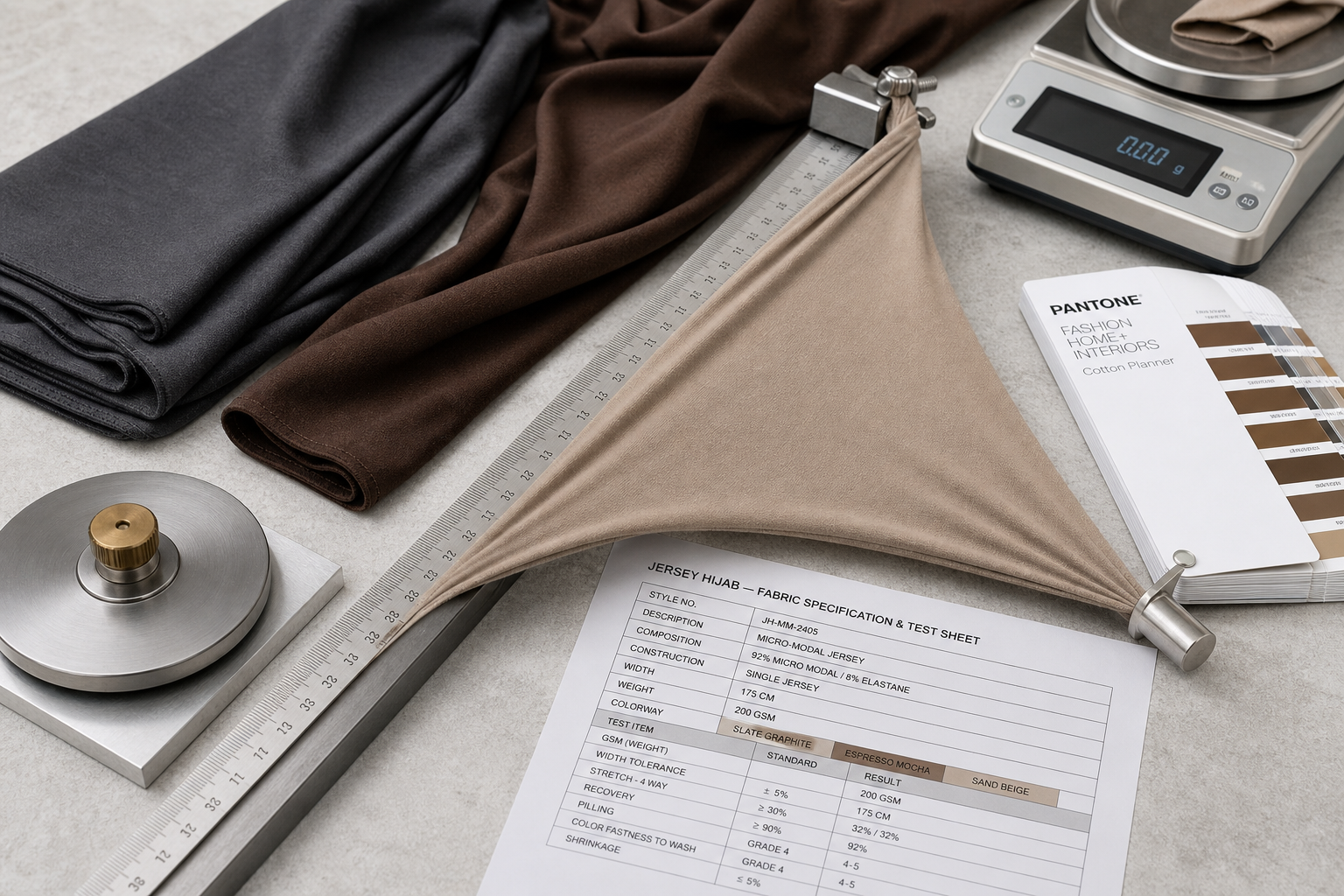
Second, ASTM D3107 Elastic Recovery Logs. Physical fabric swatches from the beginning, middle, and end of each finished fabric roll are subjected to automated constant-rate-of-extension tensile testing. Bulk fabric must demonstrate an immediate elastic recovery rate of 96.5% or higher after 30% elongation.
Third, Fabric Weight (GSM) Multi-Point Sampling. Three circular 100-square-centimeter disc samples are cut across the left, center, and right sections of each fabric lot and weighed on digital analytical balances. Variance across the entire fabric width is strictly restricted to ±3% of target GSM, preventing uneven drape across the scarf surface.
Finally, physical master swatch cards and finished reference scarves from every batch are cataloged in our climate-controlled archival room for a minimum of 24 months, giving your brand an immutable benchmark for all future replenishment orders.
Part 6: Brand Development Advice -- Curating a Profitable Jersey Collection
When planning your brand’s jersey hijab assortment, strategic product architecture ensures maximum commercial turnover while safeguarding your gross profit margins.
First, anchor your collection with a core 210 GSM 95/5 micro-modal range. A 210 GSM weight is the universally acclaimed sweet spot for modest wear: opaque enough to eliminate the need for an undercap, yet sufficiently lightweight to drape effortlessly around the neck without bulk. Launch this core line in 6 to 8 timeless neutrals (such as Jet Black, Cream Oat, Rich Taupe, Slate Grey, and Mocha) and maintain continuous inventory replenishment.
Second, introduce seasonal capsule drops in specialized weights. In early spring, roll out a lighter 185 GSM featherweight modal jersey in trending pastel and terracotta hues to capture summer vacation demand. In late autumn, release a heavier 240 GSM ribbed or brushed jersey collection with coordinated matching undercaps, driving higher average order value (AOV) through bundled gift sets.
Third, never compromise on edge construction. Request high-density 1.5mm micro-overlock stitching using bonded nylon stretch threads that flex in harmony with the knit. A flat, stretchable hem elevates the scarf from a simple piece of raw cloth into an impeccably tailored luxury garment that commands full retail markup.
If your brand is currently seeking a trusted, technically capable jersey hijab factory in China, our engineering and production teams are prepared to bring your collection to life. We invite fashion founders, boutique owners, and apparel sourcing managers to request our comprehensive Jersey Fabric & Feel Swatch Kit -- featuring physical samples of our 180, 210, and 240 GSM modal jersey qualities, Pantone lab dip options, and luxury edge finish prototypes. Contact our technical team today to initiate your physical sampling and discover the difference true textile craftsmanship makes.
Frequently Asked Questions
What fabric composition is ideal when sourcing from a jersey hijab factory?+
The gold standard for luxury daily wear is 95% micro-modal (or high-grade combed cotton) blended with 5% premium spandex/elastane, knitted on 32-gauge fine-gauge circular knitting machines. Micro-modal provides a buttery, cool-to-the-touch hand feel and fluid drape, while the 5% elastane core provides crucial elastic recovery that prevents the scarf from bagging out or losing tension around the face after hours of wear. For winter or activewear collections, a slightly heavier 92% modal with 8% spandex blend can be specified for enhanced opacity and sculpt.
How does a professional factory prevent edge curling on cut jersey hijabs?+
Single jersey knit fabrics have an inherent physical tendency to curl toward the face along cut horizontal edges due to yarn torque and unbalanced knit loop tension. Professional factories employ three preventative techniques: first, post-knit bio-polishing and heat-setting on continuous stenter frames to relax fiber tension; second, applying fine micro-overlock or 1.5-millimeter double-needle rolled baby hems with high-elasticity nylon threads; and third, utilizing precision tensionless CNC automated cutting tables to eliminate edge distortion during assembly.
What is the standard GSM range for summer versus winter jersey hijabs?+
Grams per Square Meter (GSM) determines both opacity and thermal breathability. For warm-weather spring/summer collections, brands typically source lightweight jersey between 180 and 200 GSM, which offers zero-slip security without overheating. For year-round all-season staples, 200 to 220 GSM provides 100% opacity without needing an undercap. For autumn/winter or colder regional markets, heavier 230 to 260 GSM brushed modal jersey provides thermal comfort and generous, structured volume.
What operational metrics should buyers request when vetting a jersey factory in China?+
Serious B2B buyers should request five verifiable operational figures: (1) verified daily knitting and dyeing output capacity, (2) standard sample turn time (5–7 days) and commercial production lead time (12–15 days), (3) historical factory rework/defect rates (a tier-1 factory maintains under 0.5%), (4) third-party wash shrinkage test records (under 2.5% lengthwise and 2.0% widthwise), and (5) minimum order quantity (MOQ) flexibility for trial color drops (e.g., 100–150 pcs per colorway).
Can a jersey hijab factory handle custom reactive dyeing to Pantone standards?+
Yes. Our specialized dyeing facility utilizes advanced low-liquor ratio overflow jet dyeing machines with computerized color dispensing to match custom Pantone Solid Coated (TCX/TPX) color swatches. We provide physical lab dips (A, B, C formulation options) within 4 to 5 business days, ensuring strict color accuracy within Delta E < 0.8 across repeat seasonal restocks.
How should a brand evaluate jersey elasticity recovery before committing to bulk?+
Never rely on visual photos alone. Request a physical fabric sample swatch kit and conduct the standard ASTM D3107 stretch recovery test: stretch a marked 10-centimeter sample to 130% of its length for 30 seconds, release it, and measure recovery after 3 minutes. Premium modal jersey must achieve at least 96% immediate dimensional recovery. Any sample that stays permanently elongated or shows white elastane grin-through along the fold lines should be rejected immediately.
Need a quote for your next order?
Free samples available. MOQ from 100 pieces. Ships to 50+ countries.
Request a Quote