Quick Summary
A useful custom hijab design brief turns a collection idea into decisions a development team can act on. Define the collection purpose, the base fabric, the finished size, the print layout, the colour references, the edge finish, the branding details and the sample approval method. Keep fibre and structure precise: modal describes a fibre, while jersey describes a knit structure, so a jersey modal brief can specify both. Finish with named files, open questions and a single revision process so the first sample tests the intended design rather than an assumption.
A custom hijab collection rarely starts with a complete technical specification. It usually starts with a mood, a colour story, a few reference images and a feeling the brand wants customers to recognise. The design brief is what turns that starting point into decisions another team can develop: which base fabric to sample, how the artwork sits on the rectangle, which colours need a fixed reference, how the edge should look and what must be approved before the next step.
This guide is for hijab brand founders, designers and boutique buyers preparing a custom collection. It is not a purchase-order template or a production inspection checklist. Its purpose is to help you explain the design clearly before sampling, so the sample answers the right questions and revisions stay traceable.
Begin With the Collection Decision
Start the brief with one short paragraph explaining what the collection is meant to do. Name the customer occasion, the visual mood and the role of the new pieces in the range. For example, a brief might describe a quiet neutral base with one botanical print for a transitional collection, or a coordinated group of solids and graphic repeats for a more expressive launch. The point is not to write campaign copy. The point is to give every development decision a reference point.
Then state the decisions that are already fixed and the decisions that are still open. A fixed decision could be the brand palette or a required private-label element. An open decision could be whether a motif works better as a placement print or a repeat. Separating these two groups prevents a development partner from treating a preference as a rule, and it gives your sample review a clear list of questions to answer.
Name the Base Fabric Precisely
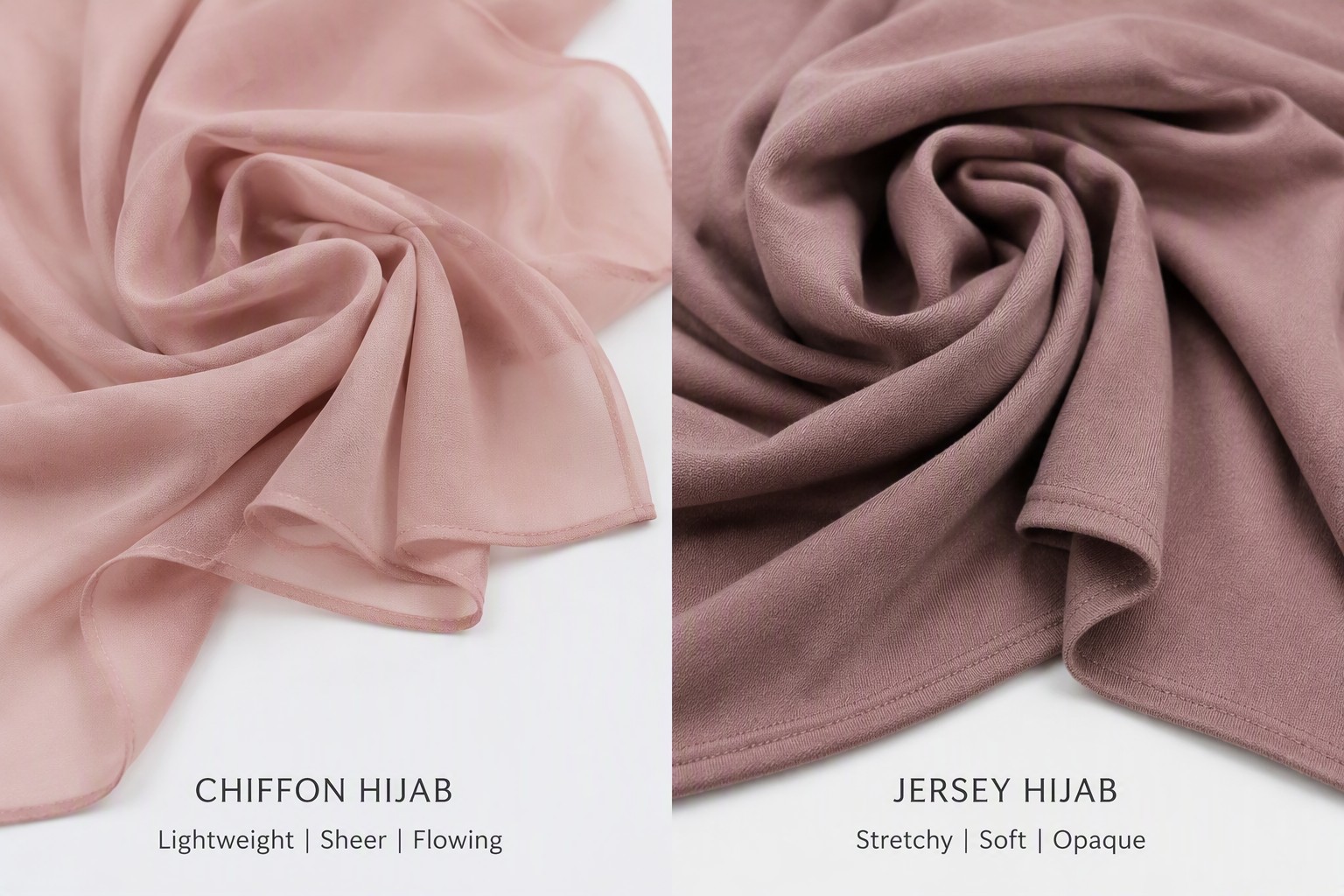
Use the material name as a development instruction, not as a vague style label. Modal describes a regenerated cellulose fibre. Jersey describes a weft-knit structure. They are not opposing materials: jersey modal means modal fibre made into a jersey knit. If your brief is for a modal print, say whether you want the custom printed modal direction. If it is for a stretch knit direction, say jersey modal and describe the intended hand feel and wear context without claiming performance that has not been verified.
The site catalogue includes custom printed modal, Pantone-matched solid modal, jersey modal, bamboo-labeled modal and bamboo-labeled jersey options. Because the site naming does not verify fibre percentages for every listed product, do not put an assumed blend percentage into the brief. Ask for the current composition and care information from the supplier documents before finalising a label or product page.
Record the fabric decision in a compact block: requested material label, intended use, whether the design is printed or solid, target finished dimensions, and any alternative base you want compared. If you are considering the same artwork on modal and jersey, state that they are separate sample requests. The artwork may be identical while the fabric structure and appearance are not.
Turn the Visual Idea Into an Artwork Instruction
Attach the artwork or a clearly labelled reference, then describe how it should occupy the hijab. State whether the layout is a placement print, an all-over repeat, a border, a gradient or a combination. For a placement design, identify the top and bottom ends, the main focal area and the motifs that must remain visible when worn. For a repeat, give the intended tile dimensions and explain whether the repeat should run across the full rectangle or follow a directional arrangement.
Do not rely on a mood-board image alone. Include the working file in an accepted format such as AI, EPS, PDF, PSD or TIFF, and prepare raster artwork at least 300 DPI at the final print size. Add a small preview so the receiver can compare the working file with your intention. If the artwork contains guides, presentation shadows or notes, identify them clearly so they are not mistaken for print elements.
Explain what may change and what may not. A useful note might say that the central motif must remain intact, the background can be adjusted to match the approved swatch, and secondary leaves may move slightly to protect the border. This gives the development team room to solve layout problems without changing the identity of the design.
Create a Colour Approval Block
Colour instructions should distinguish between a visual direction and an approval target. Words such as warm ivory, muted green or deep berry help describe the mood, but they are not precise colour standards. For brand-critical colours, include a Pantone textile reference or a physical fabric or paper swatch. List the reference beside the artwork colour name, and state which colours are essential to match and which can be adjusted within the same visual family.
State how you want to review the colour sample. Name the lighting conditions you will use, whether the reference will be viewed beside the sample, and who has final approval. Keep screen images as supporting context rather than the only target, because screens vary and fabric reflects light differently. If the same colour story will be developed on more than one base fabric, request separate approval for each base instead of assuming one sample represents both.
Add a revision rule to the brief. For example, record one consolidated set of colour comments per sample round and label each change as darker, lighter, warmer, cooler or closer to a named reference. This is more useful than sending several contradictory messages such as make it softer and make it brighter.
Specify Size, Direction and Edge Finish
A hijab is a long rectangle that is folded, draped and framed around the face, so the design brief must describe orientation. State the target finished dimensions and which edges are the long and short sides. Mark the face-framing edge, the end most likely to be visible and any corner that carries a signature motif. If the final dimensions are still open, say so and ask for the available options before the artwork is locked.
Describe the edge finish as part of the design, not as an afterthought. Yiling lists rolled edge, overlocked and other hemming options. A narrow rolled edge and an overlocked edge create different visual boundaries, and an outer border can look different once the edge is turned or wrapped. Keep logos, text and key motifs inside a safe area, while allowing background colour to run to the edge.
If the collection includes more than one finish, show the same artwork with each proposed finish in the brief. Ask the sample review to consider print continuity, visual weight and how the edge supports the collection language. Keep this focused on the design result; production inspection criteria belong in a separate document.
Add Branding and Packaging Instructions
A collection brief should say where the brand appears beyond the artwork. List the preferred woven-label position, hang-tag information, polybag or retail-packaging direction and carton-labelling needs if those elements are part of the launch. Attach the correct logo files and identify the approved logo version. If the label artwork is still being finalised, mark it as open rather than sending an old file that could be mistaken for approval.
Keep branding instructions separate from the textile artwork. One file can describe the print layout, another can contain label and packaging artwork, and the brief can connect them by version number. This makes it easier to revise a logo without accidentally changing the print file or the colour references.
Define the Sample Questions Before Sampling
A good brief says what the first sample must help you decide. Write the questions as review points: Does the motif scale read correctly when the hijab is worn? Is the border visible without competing with the face-framing area? Does the colour sit within the approved reference under the agreed lighting? Does the edge finish support the intended look? If two bases are being compared, which hand feel, drape and visual response better fits the collection direction?
Yiling recommends a pre-production sample before bulk development and supports artwork review for accepted file formats, final-size resolution and Pantone or physical colour references. Use the sample as a design decision, not as a vague approval moment. Photograph the sample consistently, write one consolidated comment list and state whether the result is approved, approved with listed changes or held for a new sample.
Do not ask a sample to prove information that is not in the brief. If composition, care labelling or a specific performance claim matters, request the supporting supplier documentation separately. The sample can show the design direction; it cannot replace evidence for an unverified fibre percentage, certification or test result.
Use a One-Page Brief Structure
For each style, organise the brief in the same order: collection name and version; objective and customer context; fixed decisions and open questions; base fabric and target dimensions; artwork file and layout type; colour references and approval owner; edge finish; label and packaging requirements; sample questions; attachments and file versions. Put the date beside every revision. A consistent structure lets a designer, buyer and development team scan the same information without searching through a long email thread.
End with a short handoff sentence that identifies the next action. It might ask the team to confirm the base fabric and artwork feasibility, prepare the first sample, or return questions before development starts. Avoid sending a brief that contains several possible directions without saying which one is the current request.
Common Briefing Mistakes
The most avoidable problems are usually omissions: calling modal and jersey interchangeable, providing a screen colour without a physical or Pantone reference, attaching a square social-media image instead of the working artwork, leaving the print direction unstated, placing a border without explaining the hem, or asking for a sample without defining what approval means. Another common problem is mixing old and new files in one folder so nobody can tell which logo, colour card or print version is current.
A brief does not need to be complicated. It needs to make the important decisions visible, identify what is still open and give the first sample a clear job. If you can read the document aloud and a second person can explain the intended hijab without seeing your mood-board conversation, the brief is doing its work.
Final Design Brief Checklist
Before sending the brief, confirm that you have named the collection objective, separated fixed decisions from open questions, identified the fabric using precise fibre and structure language, stated target dimensions and orientation, attached the correct artwork format at the required resolution, described placement or repeat behaviour, supplied Pantone or physical references for critical colours, named the approval owner, specified the edge finish, listed label and packaging needs, written the sample questions and marked every attachment with a version.
If you want help turning a collection concept into a fabric, artwork and sampling request, use the Request a Quote button below this article. Send the brief, the current artwork and the colour references together so the development team can respond to the actual design decisions rather than guess from a partial reference.
Frequently Asked Questions
What should a custom hijab design brief include?+
Include the collection objective, fixed and open decisions, base fabric, finished dimensions, artwork layout, colour references, edge finish, branding needs, sample questions and the file versions attached for development.
How should I describe modal and jersey in a hijab brief?+
Modal describes a fibre and jersey describes a weft-knit structure. They are not mutually exclusive: a jersey modal brief can specify modal as the fibre direction and jersey as the knit structure.
What artwork files does Yiling accept for custom hijab development?+
Yiling accepts AI, EPS, PDF, PSD and TIFF files. Raster artwork should be prepared at least 300 DPI at the final print size, with Pantone references for brand-critical colours.
Should a design brief include Pantone references?+
Yes, include a Pantone textile reference or a physical fabric or paper swatch for colours that are important to the brand. Use screen images as supporting context, not as the only approval target.
What should I approve on the first hijab sample?+
Define the questions before sampling: motif scale and placement when worn, colour against the agreed reference, edge appearance, and the visual response of the selected fabric base. Record one consolidated decision and revision list.
Can a design brief include private-label details?+
Yes. List the approved logo version, woven-label position, hang-tag information, packaging direction and carton-labelling needs, while keeping those files separate from the textile artwork.
Need a quote for your next order?
Free samples available. MOQ from 100 pieces. Ships to 50+ countries.
Request a Quote