Quick Summary
Geometric and floral prints answer different design questions on a custom modal hijab. Geometric artwork depends on line rhythm, spacing and orientation, while floral artwork depends on motif scale, overlap and the balance of open and filled areas. Neither direction is universally better. Compare both against the collection brief, the finished rectangle, the intended drape and the colour references before asking for a sample.
The choice between a geometric and a floral print is not only a matter of taste. It affects how a rectangular hijab reads when flat, folded and worn, how much empty space the design needs, and which details must survive at the finished size. For a hijab brand founder, designer or boutique buyer, the better starting point is the direction that keeps the collection idea clear through artwork preparation and sample approval.
This guide focuses on design development for custom modal hijabs. It does not make a universal claim about which motif prints better, and it does not treat modal as a synonym for a fabric structure. Modal describes a fibre category; the artwork decision is a separate layer of the brief. Confirm the exact base, finished dimensions and edge direction before releasing the file.
What the Motif Choice Changes
A geometric print is built from relationships such as lines, angles, grids, stripes, checks or repeated shapes. The eye notices alignment, spacing and direction quickly, so small shifts in scale or orientation can change the character of the whole surface. A floral print is built from organic shapes, stems, petals, leaves or clustered motifs. It can tolerate more variation in placement, but the hierarchy between large and small elements still needs to be intentional.
Both directions can work on a custom printed modal hijab. The important question is what the wearer should notice first. If the collection identity depends on a clean rhythm or a directional border, geometric artwork may make that decision visible. If it depends on a softer focal composition or layered botanical forms, a floral direction may give the brief more room to breathe.
Do not make the motif category carry claims about hand feel, colour fastness or other performance characteristics. Those questions require separate product information or reliable supporting evidence. The print review should stay focused on what the artwork is meant to communicate and how it behaves visually on the chosen rectangle.
When a Geometric Direction Is a Better Starting Point
Choose geometric artwork when the collection needs a clear visual system. Stripes can establish direction, grids can create a measured surface, and repeated shapes can connect several colourways. A geometric file is especially useful when the brand wants the same design language to appear across multiple products, provided each base and finished format is approved separately.
Start by identifying the dominant axis. Decide whether the lines should run along the long edge, across the width or at an angle. Then mark the face-framing areas and the ends that are most likely to remain visible when worn. A pattern that looks balanced on a square artboard may feel tilted or crowded once it follows the longer hijab rectangle.
Give special attention to line spacing. Very narrow gaps can disappear visually when folds overlap, while very wide gaps can make a repeat feel disconnected. Review the smallest important gap at the finished print size and in a simple folded mock-up. If the design uses a border, show how the line meets the corner and the chosen edge finish.
When a Floral Direction Is a Better Starting Point
Choose floral artwork when the collection needs an organic focal point, a layered surface or a more varied rhythm. Large flowers can anchor a placement composition, while smaller scattered elements can form an all-over repeat. The design brief should still state the intended scale, density and orientation; floral does not mean that every area can be left to chance.
Separate the hero motif from the supporting motifs. Decide which flower, leaf or cluster should attract attention when the fabric is flat and which elements should recede when it is folded. If every motif has the same size and contrast, the surface may lose hierarchy. If all the visual weight sits in one corner, the focal area may disappear during styling.
Check the negative space between motifs. Open areas can help the design remain readable around the face and shoulders, while dense clusters can create a stronger statement when the fabric is gathered. The right balance depends on the collection brief, not on a general rule that floral prints should be sparse or busy.
Scale the Artwork for the Finished Rectangle
Review motif size at the finished hijab dimensions, not only on a zoomed-in screen or a social-media square. A large geometric unit may lose its shape after folding, and a small floral may become visual texture rather than a recognisable flower. Prepare one full-rectangle mock-up and one close view of the smallest detail that matters to the design.
Use the actual product format in the file. Yiling lists custom printed modal hijabs at 180 x 75 cm in the current catalogue. That dimension is a planning reference for the listed style, not a reason to copy the same canvas to another base or product. Confirm the finished size before locking the artwork.
If the design will be worn folded over itself, test the motif at the fold lines. Geometric lines may create an unintended break, while a floral composition may place the hero motif under a layer. Mark the areas that must remain visible and include those marks in the design brief rather than assuming the sample reviewer will infer them.
Plan Colour Before You Compare Motifs
Colour relationships often matter more than the motif category. A geometric print may need enough contrast for its spacing to remain legible, while a floral print may need a clear separation between the hero motif and its background. Build the palette around the collection's role for each colourway: base, focal colour, supporting colour and any brand-critical accent.
For colours that must match a brand reference, provide a Pantone reference or physical fabric swatch. Screens vary, and the same artwork can appear different on different fabric surfaces. Review the physical sample against the agreed reference under consistent lighting. Do not use a digital mock-up or cover photograph as evidence of the final fabric colour.
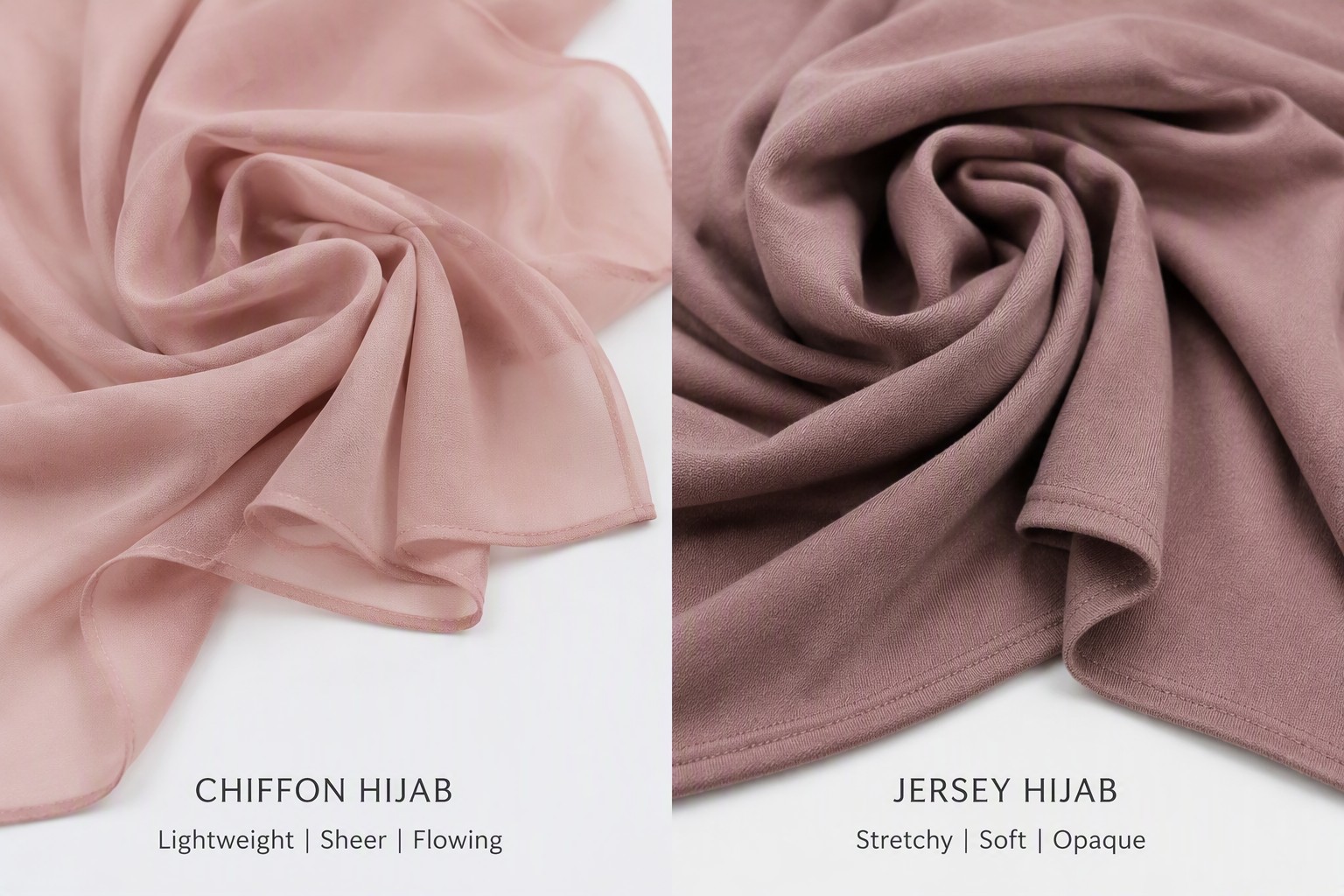
If you place the same geometric or floral artwork on more than one fabric base, treat each base as a separate approval. Modal and jersey are not interchangeable terms: modal identifies a fibre category, while jersey identifies a weft-knit structure. The colour and visual response still need to be reviewed on the actual base intended for the collection.
Placement or Repeat: Match the Layout to the Motif
A placement layout suits a controlled composition. It can keep a large floral cluster near a defined end or hold a geometric border at a specific edge. The file should show the finished rectangle, orientation, safe zones and the areas expected to appear near the face and shoulders.
An all-over repeat suits a surface that should remain coherent when pieces are cut at different points. A small floral repeat can be flexible, and a geometric tile can create a consistent rhythm. The tile still needs to join cleanly on all sides, and the motif scale should be reviewed in several folds so the repeat does not become unexpectedly dense.
The motif category does not decide the layout by itself. A floral design can be a repeat, and a geometric design can be a placement composition. Choose the format based on where you want the visual emphasis to land, then make that choice explicit in the artwork file and sample request.
Check Lines, Curves and Edges Before Sampling
Before sending a geometric file, inspect the thinnest lines, smallest gaps, repeated joins and any diagonal that crosses the intended fold. Before sending a floral file, inspect fine stems, small petals, overlapping outlines and the contrast between detail and background. These checks do not prove a print or test result; they identify design details that need a clear review on the first sample.
Keep important elements away from the finished edge. Yiling supports rolled edge, overlocked and other hemming options, and the selected finish should be confirmed for the style. Let the background or pattern reach the edge while keeping logos, text and key motif details inside the safe area stated in the brief.
When a border is part of the design, check the corners on the full rectangle. A geometric border needs a deliberate turn or stop; a floral border needs a considered transition between the long edge and the corner. Review the actual finished sample rather than relying only on a screen file.
Prepare a Clear Development Brief
A useful brief names the motif direction, base fabric, finished dimensions, print format, orientation, intended wear view and chosen edge direction. Add a full-rectangle preview, a close-up of the smallest important detail, the colour references and a note explaining which elements cannot change in the first sample.
Yiling accepts AI, EPS, PDF, PSD and TIFF files. Supply the artwork at the required resolution for the final print size and include a clear preview for visual checking. If a low-resolution reference must be redrawn, treat that redraw as a design step requiring approval. Do not assume that enlarging a small image creates usable detail.
Name the files by design, colourway and version. Keep the geometric or floral source file, full-rectangle preview and any reference swatch connected to the same version number. This makes the first-sample feedback more precise and reduces the risk of reviewing a different artwork from the one sent for development.
Review the First Sample Like a Designer
Start with the sample flat. Check the overall scale, focal hierarchy, direction, spacing and border relationship. Then review it folded and loosely draped so you can see which geometric lines or floral motifs remain visible. Compare the sample with the original full-rectangle preview rather than judging it from memory.
For geometric artwork, record whether the rhythm still feels consistent, whether lines appear unintentionally crowded and whether the direction supports the way the rectangle is worn. For floral artwork, record whether the hero motif remains recognisable, whether the supporting elements create enough breathing room and whether the folds hide the intended focal point.
Send one consolidated decision: approved as shown, approved with listed changes or held for a new sample. Separate visible design observations from requests for fibre content, care instructions or test documentation. A home review can guide artwork decisions, but it does not replace reliable product records or recognised test evidence.
Decision Checklist
Choose geometric when line rhythm, direction, spacing or a measured collection system is central to the design. Choose floral when organic focal motifs, layered shapes or a softer visual hierarchy better express the brief. In either case, confirm the finished rectangle, motif scale, print format, colour references, safe zones, edge direction and the questions the first sample must answer.
When the direction is clear, use the Request a Quote button below this article to share the artwork and development brief. A precise motif decision gives the design team a focused basis for reviewing the custom printed modal sample.
Frequently Asked Questions
Are geometric or floral prints better for modal hijabs?+
Neither is universally better. Choose geometric when line rhythm, spacing or direction is central to the brief, and choose floral when organic focal motifs or layered shapes better express the collection. Review both at the finished size and in realistic folds.
How should I scale a geometric hijab print?+
Review the line spacing, smallest important gap and dominant axis at the finished hijab size. Check a full-rectangle mock-up and a folded view so the rhythm remains clear when the fabric is worn.
How should I scale a floral modal hijab print?+
Separate the hero motif from supporting motifs, then check the balance of open and filled areas. Confirm that the focal flower or cluster remains recognisable and is not hidden by the expected fold.
Can a geometric or floral print be a repeat?+
Yes. Motif category and layout format answer different questions. A floral design can be an all-over repeat, and a geometric design can be a placement composition. Choose the layout based on the intended visual emphasis.
Does modal mean the same thing as jersey?+
No. Modal describes a fibre category, while jersey describes a weft-knit structure. A jersey modal hijab combines those two descriptions, and its print still needs approval on the actual base.
What should I send for a custom modal print sample?+
Send the motif direction, base fabric, finished dimensions, print format, orientation, full-rectangle preview, detail view, colour references, safe zones, edge direction and file version. Yiling accepts AI, EPS, PDF, PSD and TIFF files.
Need a quote for your next order?
Free samples available. MOQ from 100 pieces. Ships to 50+ countries.
Request a Quote