Quick Summary
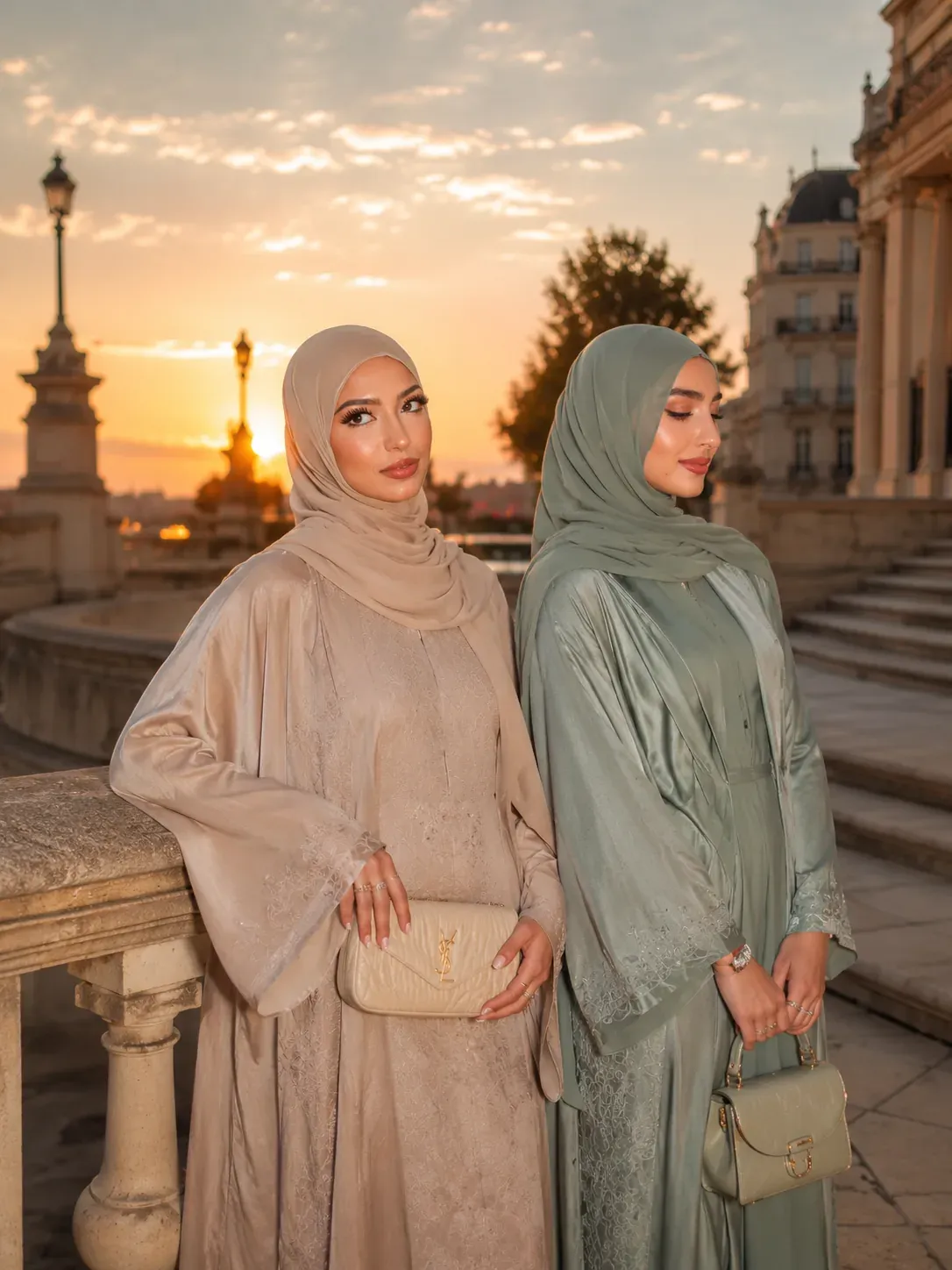
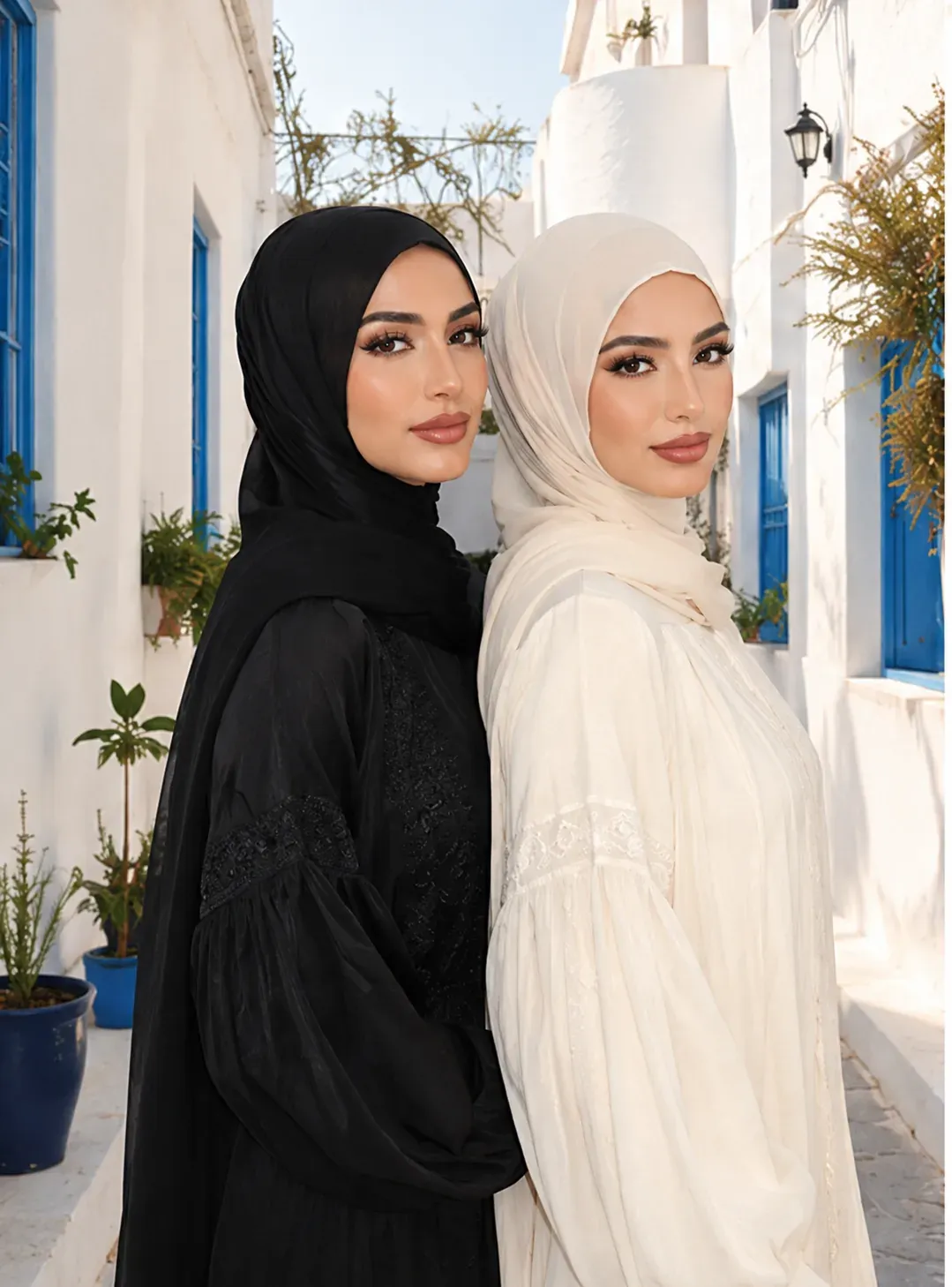
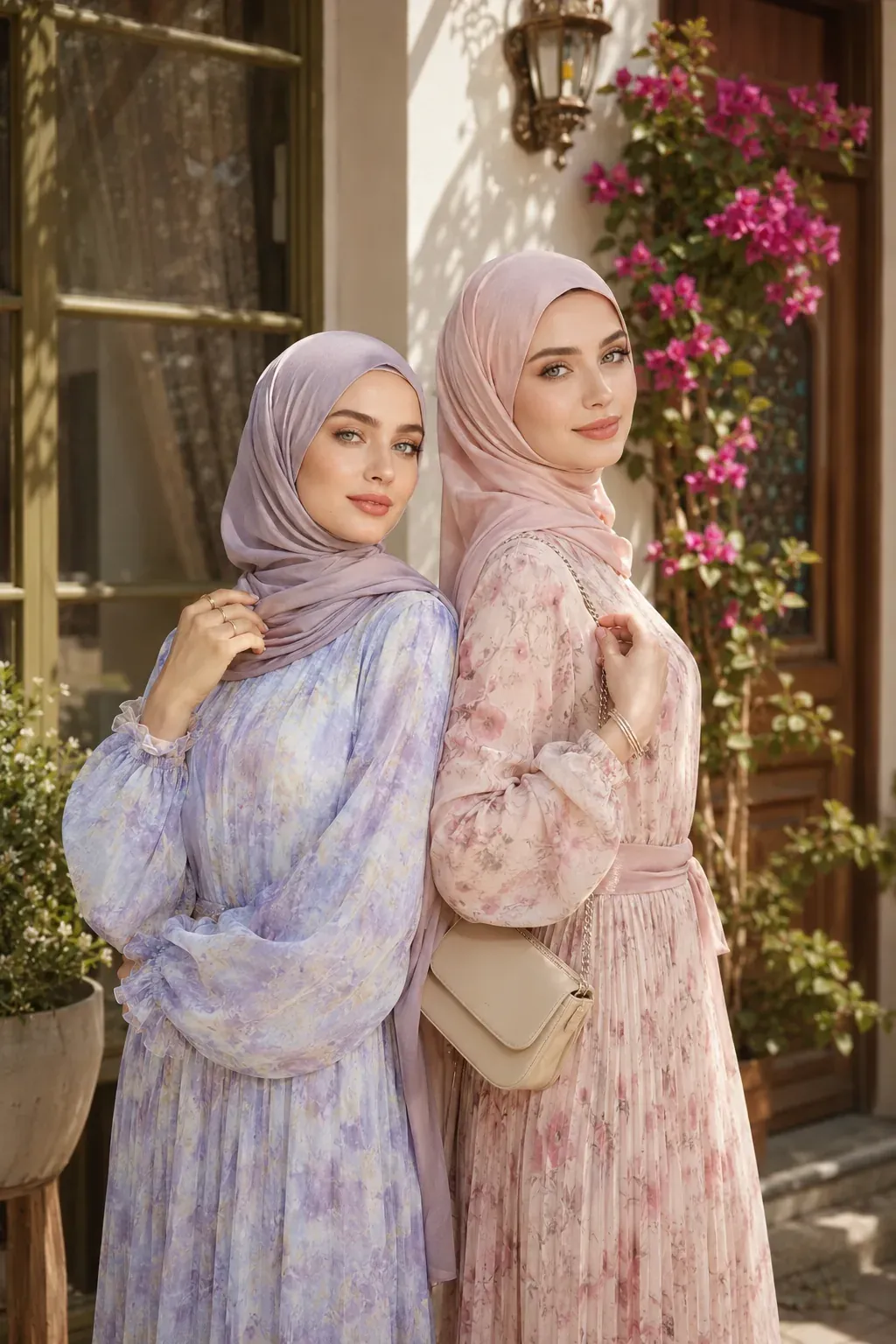
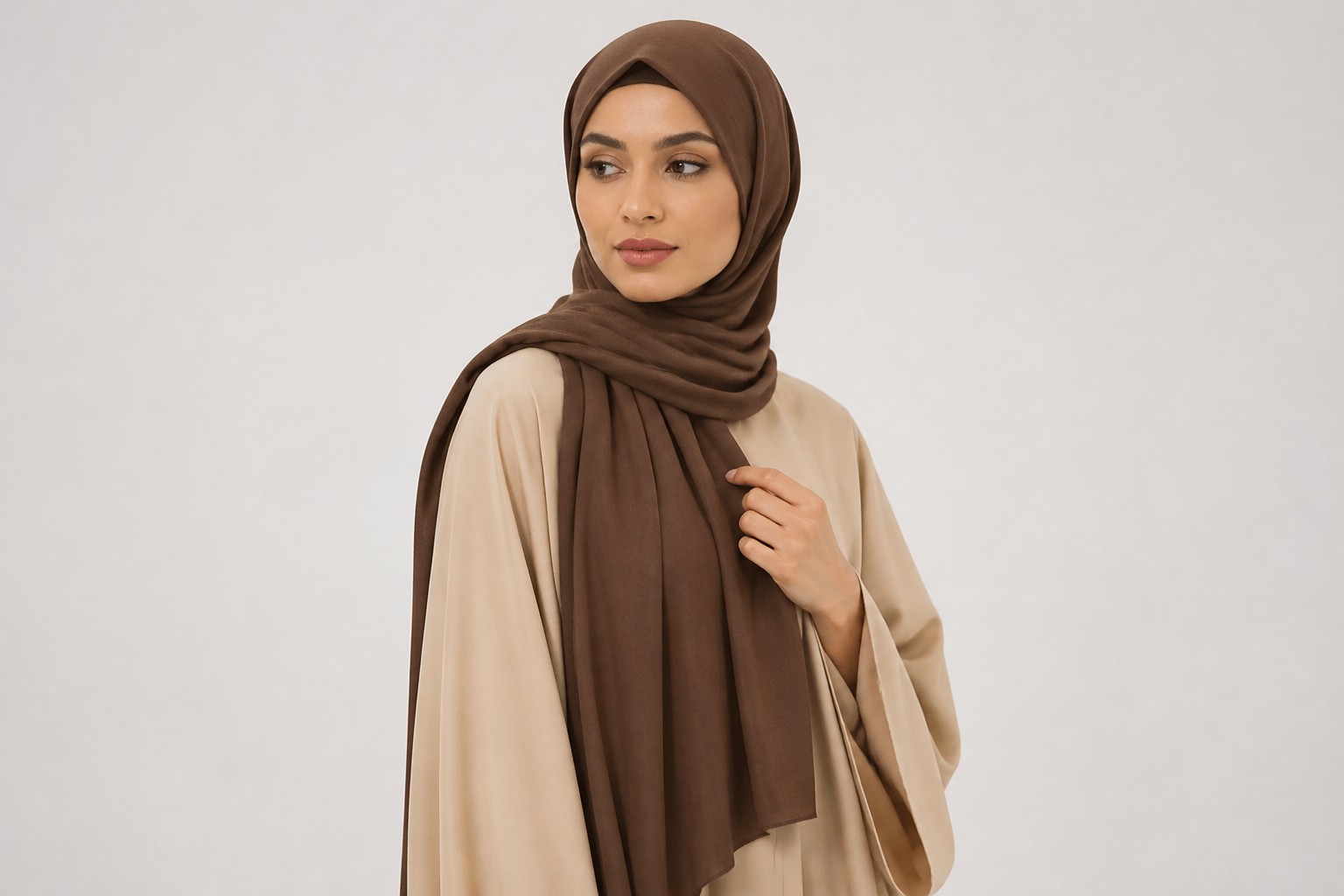
Custom printed hijab development works best when artwork, substrate, colour expectations, and finishing are agreed before production. Brands can reduce risk by reviewing a physical sample, recording the approved reference, and testing a controlled pilot before scaling. Yiling supports Modal and Jersey development, optimized print equipment, OEM/ODM communication, and small MOQ programs for brand validation. This guide explains what to ask a supplier and how to preserve quality across repeat orders.
Introduction: Custom Printed Hijab Is a Supply-Chain Decision
A custom printed hijab can begin with a strong pattern, but a successful B2B product depends on more than artwork. The brand must decide how the design will behave on Modal or Jersey, how the fabric will drape or stretch, what colour reference the factory will follow, and how the finished piece will be measured, hemmed, packed, and repeated. A supplier that answers only with a unit price leaves the most important decisions unresolved.
For an Instagram brand, boutique, or modest fashion startup, the first order is both a product launch and a sourcing test. It reveals whether communication is clear, whether the sample reflects the brief, whether the factory can support a small MOQ, and whether production records are strong enough for a second run. Our team focuses on connecting creative direction with practical manufacturing decisions so brands can develop a recognizable printed collection without committing to unnecessary inventory.
Part 1: Buyer Problem -- A Design File Is Not a Finished Product
Many buyers send a pattern and expect the finished hijab to look identical on screen. Textile printing introduces variables that a flat digital file cannot show. The same colour can appear different on a matte Modal surface and a stretch Jersey surface. A fine line can soften when the fabric is prepared, while a border can shift if the cutting plan does not account for the finished dimensions. The drape of the cloth also changes how a motif is seen when worn.
A second problem is incomplete communication. A buyer may specify a print but not the base fabric weight, desired hand feel, hem treatment, packaging method, or tolerance for colour variation. The factory then has to make assumptions, and those assumptions can become expensive after production starts. A practical sourcing conversation should identify the unknowns before a sample is approved.
The third problem appears between the first and second orders. If the brand does not keep the approved reference or record the artwork version, a repeat order can become a new interpretation. A reliable supplier should help the buyer preserve the decisions that made the first product acceptable, while clearly marking any intentional change in fabric, colourway, scale, or finishing.
Part 2: Industry Trend -- Signature Prints Need Repeatable Small-Batch Supply
Social-first fashion brands increasingly use limited drops, seasonal colour stories, and small capsule releases to learn what their audience responds to. This model rewards a supplier that can move from a design brief to a physical sample without forcing the brand to purchase a large quantity before the concept is tested. The aim is not simply speed. It is controlled speed, where each stage produces information that improves the next decision.
A custom print can also become a brand asset. When the motif scale, border logic, colour family, and fabric behaviour are documented, a successful design can be adapted into new colourways or related products. That requires production stability. If each run is treated as an unrelated job, the brand may lose the visual consistency that made the original collection recognizable.
This is why small MOQ support matters to emerging B2B buyers. A pilot can reveal customer response, content performance, return questions, and packing workflow before the brand expands. Our production experience allows brands to test a focused idea while keeping the path to larger OEM or ODM production open.
Part 3: Technical Knowledge -- What to Confirm Before Sampling
Start with the artwork itself. Confirm the file format, colour mode, repeat size, border position, intended orientation, and whether any text or logo is part of the design. The supplier should confirm how the file will be prepared for the selected print route rather than silently changing the artwork. If the design contains delicate lines, tonal gradients, or a strong border, ask how those features will be checked on the fabric.
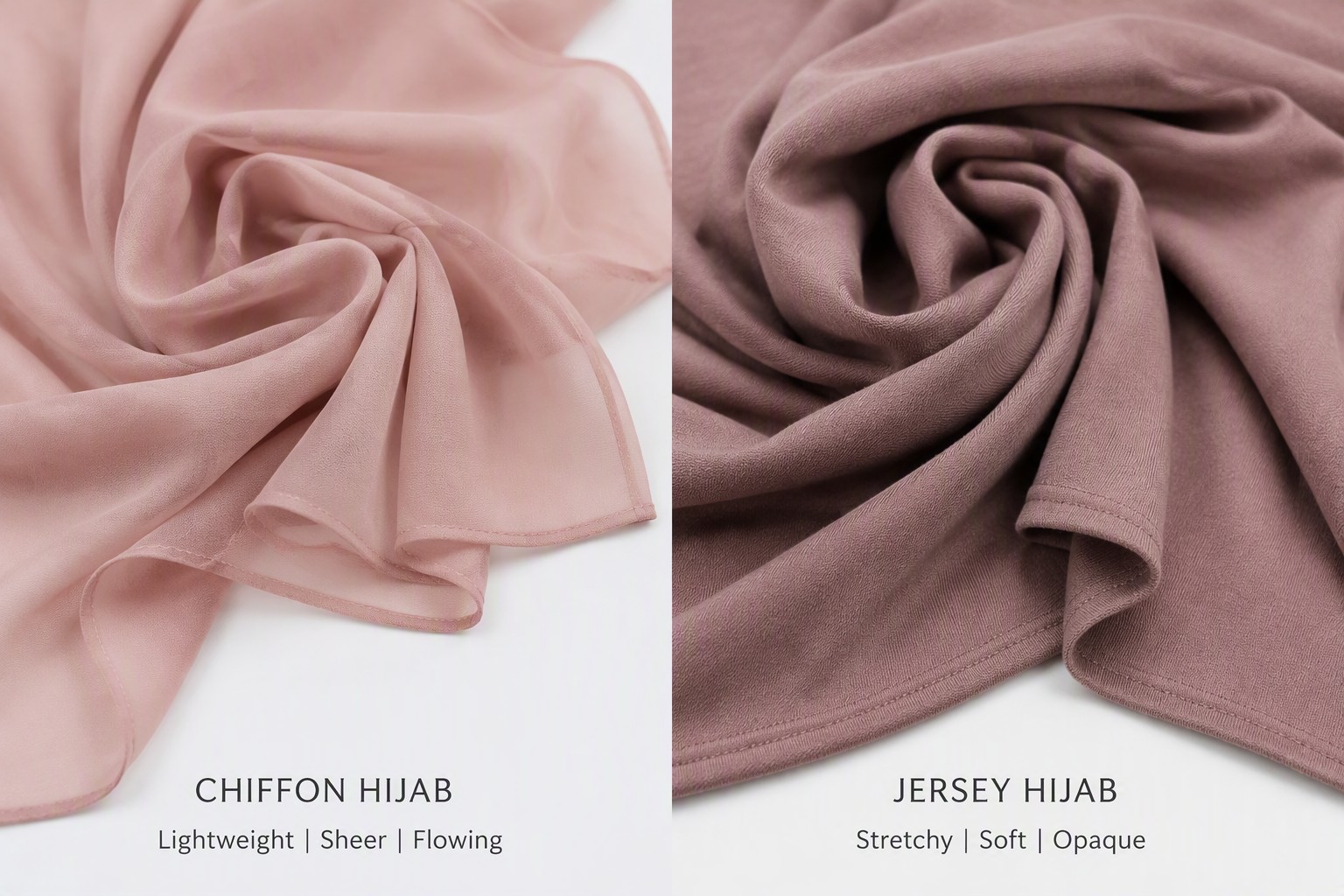
Next, select the substrate. Modal and Jersey do not communicate a print in the same way. Modal is often selected for a soft, fluid presentation, while Jersey brings stretch and a different surface response. The right choice depends on how the hijab should fall, whether the wearer expects stretch, how much structure the design needs, and how the product will be styled in photography and daily use.
Dimensions should be discussed in the relaxed finished state. Include length, width, corner shape, hem type, and measurement points. For a stretch fabric, specify whether measurements are taken without tension and how recovery is assessed. For a printed border, confirm the relationship between the artwork edge and the cut edge so the final product does not lose the intended composition.
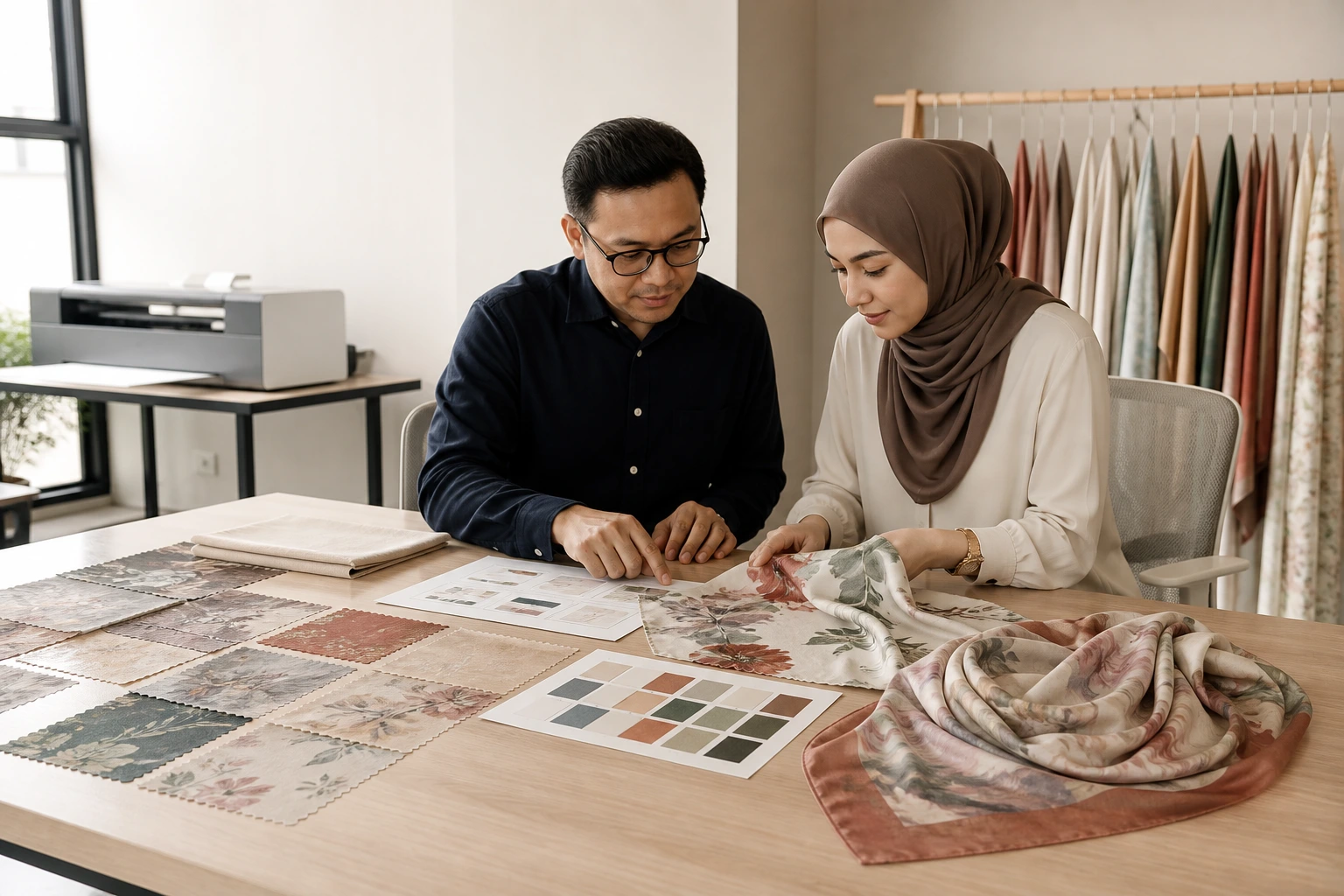
Colour approval also needs a physical reference. A screen image can guide the conversation, but the approved strike-off or sample should become the production reference. Record the light source used for comparison, the agreed colour intention, and any acceptable variation. Yiling combines colour management with independently optimized print equipment so the team can review both the creative result and the manufacturing stability.
Finally, clarify finishing. A baby hem, rolled edge, label, fold, insert, or polybag changes the product experience. It can also affect the time and cost of the order. Treat finishing as part of the product specification, not an afterthought added after the print has been approved.
Part 4: Our Factory Capability -- Data That Helps Buyers Plan the Next Decision
For this sourcing guide, the most useful factory perspective is data: not isolated capacity claims, but operating information that helps a buyer plan a pilot and evaluate the next order. Our team tracks the steps that influence a custom printed hijab program, including brief clarification, sample preparation, approval timing, material planning, printing, finishing, inspection, packing, and shipment coordination.
The purpose of tracking these stages is to make variation visible. If a sample takes longer because the artwork needs adjustment, that is different from a delay caused by fabric availability or a finishing change. When the reason is recorded, the brand can make a better decision about its next launch date. This is particularly important for Instagram brands that plan content, pre-orders, and small drops around a specific calendar.
Yiling has professional experience with both Modal and Jersey, and our team can connect those materials to custom printing, OEM/ODM development, private label details, and small MOQ testing. We also invest in practical equipment improvements that support print stability and repeatable handling. Rather than presenting data as a guarantee for every project, we use it to define the confirmed scope, identify dependencies, and communicate the route to the buyer.
A buyer should ask for the data that matters to the project: expected sample timing, planned production window, approval points, material lead time, inspection timing, and the information required before a repeat order. Clear numbers are useful when their definition is clear. A production day, for example, should be distinguished from a calendar day, and a sample timeline should state when the clock begins.
Part 5: Quality Control -- Document the Decisions That Make a Print Repeatable
A strict three-stage QC process is strongest when the physical checks are connected to records. For a custom printed hijab, documentation should begin with the approved design and sample, continue through production checks, and finish with the packing or shipment confirmation. The record is not paperwork for its own sake. It helps the buyer and factory discuss the same product when a repeat order arrives weeks or months later.
At the approval stage, retain the artwork version, sample image, physical reference, fabric selection, finished measurements, hem instruction, and any agreed colour notes. During production, link inline observations to the lot or order rather than writing a general statement that the goods were checked. At the final stage, record the finished quantity, packing method, and any exceptions that the buyer approved.
Document traceability is especially valuable for a brand with several colourways. It prevents a team member from using the wrong artwork file or assuming that a previous colour recipe applies to a new substrate. It also supports a fair discussion if a buyer notices a difference: the parties can compare the retained sample, the production record, and the current request instead of relying on memory.
Our QC workflow uses the three-stage logic of incoming material review, online production checking, and finished-goods verification, with supporting records retained for the order. This structure helps protect colour management, print alignment, fabric handling, hemming, and packing decisions. It also gives brands a practical information base when they decide whether to repeat, adjust, or retire a design.
Part 6: Brand Development Advice -- Build a Repeatable Print Library
A brand should not treat every custom print as a one-time experiment. After a pilot, review which details customers noticed, which colours performed in content, which fabric received the best feedback, and whether the finished dimensions worked for the intended styling. Then update the product brief with decisions that are confirmed and questions that remain open.
Create a simple print library with an approved artwork file, colour reference, fabric specification, sample photographs, finished measurement, finishing notes, label and packing instructions, and the date of approval. Give each design a clear internal name or code. This makes it easier for a small brand team to brief the factory and prevents old files from being reused accidentally.
When launching a new colourway, change one major variable at a time where possible. Keeping the fabric and motif stable while testing a new colour gives the brand cleaner feedback. If the fabric is also changing, label that as a separate product decision. A controlled test is more useful than a large assortment that makes every result difficult to interpret.
Our team focuses on helping brands move from a design brief to a physical sample and then to a repeatable production plan. Send a design brief with your artwork, preferred fabric, target customer, intended quantity, and timing. We can review the information, identify missing decisions, and arrange a sample test before the brand commits to a larger custom printed hijab program.
A Practical Custom Printed Hijab Sourcing Checklist
Before requesting a quotation, prepare the artwork file, desired print size, base fabric preference, finished dimensions, edge treatment, label or packaging requirements, pilot quantity, target delivery window, and destination. Ask the supplier which points need confirmation before sampling and which tolerances they can document. After receiving the sample, review it in natural and indoor light, examine the fabric in motion, measure the finished piece, inspect the hem, and compare the artwork to the approved reference.
Before bulk approval, confirm the final file version, physical sample, colour reference, fabric lot, finishing instruction, packing method, inspection plan, and delivery scope. Keep those records together. This short discipline protects the creative idea while giving the production team enough information to repeat it.
Conclusion: A Better Supplier Conversation Creates a Better Product
Custom printed hijab sourcing is most reliable when the buyer and factory agree on more than a design image and a price. Fabric behaviour, colour reference, dimensions, finishing, approval timing, factory data, QC records, and repeat-order decisions all shape the final product. A small pilot gives a brand the opportunity to learn without hiding the information needed for scale.
Yiling supports Modal and Jersey development, optimized printing equipment, colour management, three-stage QC, OEM/ODM communication, private label coordination, and small MOQ brand testing. If you have a print concept ready, send your design brief and request a sample test so the next decision can be based on a physical product rather than an assumption.
Frequently Asked Questions
What should a brand send to a custom printed hijab supplier?+
Send the artwork file, desired dimensions, preferred Modal or Jersey base, colour references, target quantity, finishing requirements, label or packaging needs, and delivery timing. A clear brief lets the factory identify questions before sampling.
Can a small brand start with a pilot quantity?+
Yes. A small pilot can help a brand evaluate print appearance, fabric hand feel, finishing, customer response, and operational timing before committing to a larger repeat order. MOQ depends on the confirmed design and production plan.
How does a supplier keep printed colours consistent?+
Consistency depends on a controlled artwork file, approved physical reference, suitable fabric preparation, calibrated print settings, stable fixation, and comparisons during production. The approval reference should remain linked to the production record.
Should brands choose Modal or Jersey for a custom print?+
The choice depends on the intended drape, stretch, coverage, styling method, and customer preference. Modal often suits fluid printed presentations, while Jersey can support a more structured and flexible wearing experience.
What QC documents should a buyer request?+
Ask for the approved sample reference, fabric and colour records, first-section or inline inspection notes, finishing checks, packing confirmation, and any agreed test results. The exact document set should match the product and buyer requirements.
How can a brand prepare for a repeat order?+
Keep the approved sample, artwork version, colour reference, fabric specification, finished measurements, finishing instructions, and packaging details together. Review any new fabric lot or colourway before authorizing repeat production.
Need a quote for your next order?
Free samples available. MOQ from 100 pieces. Ships to 50+ countries.
Request a Quote